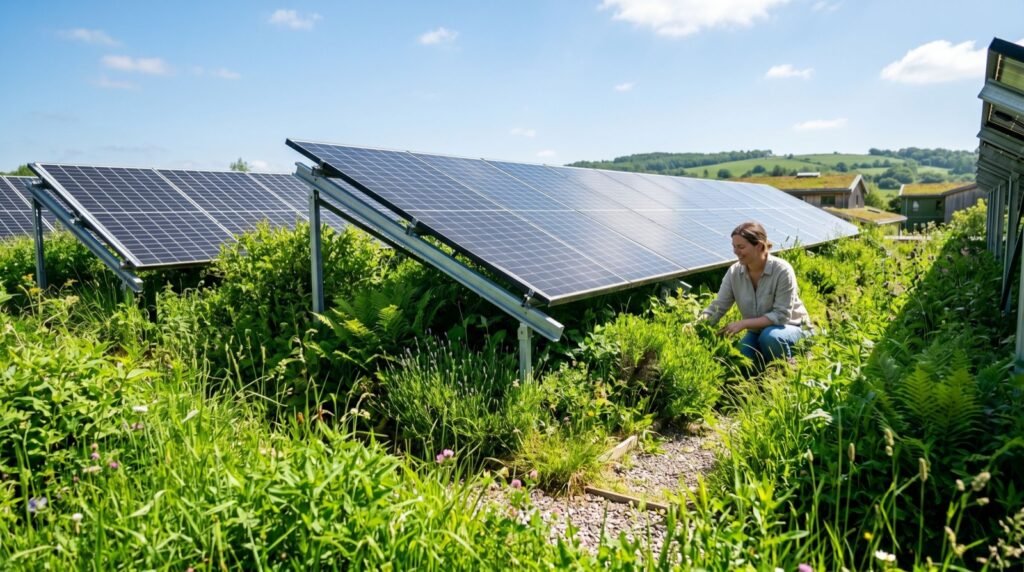
Buy Solar Products Online in Pakistan: A Practical 2026 Guide
Pakistani households and shops are moving to solar at a record pace, and more of them now buy solar products online instead of walking through Hall Road or Naya Bazaar. Online shopping saves time and makes price comparison easy. It also brings new risks, from fake brand labels to missing warranty cover.
This guide explains how to shop smartly in 2026. You will learn which components matter, how to read a datasheet, what a fair price looks like and how to protect yourself after the parcel arrives.
Why More Pakistanis Are Shopping for Solar Online
Load-shedding and rising unit rates pushed solar from a luxury to a household budget item. Net metering rules also changed over the last two years, which made self-consumption more valuable than exporting units to the grid. Buyers now want systems that cover their own daytime and evening load.
Online catalogues help because they list wattage, voltage and warranty in one place. You can compare ten inverters in ten minutes. A shop visit rarely gives you that.
- Transparent specifications you can screenshot and re-read.
- Faster comparison between brands and models.
- Doorstep delivery to Lahore, Karachi, Islamabad and smaller cities.
- Written invoices that support warranty claims.
The Core Components You Will Actually Buy
A working home system is a small set of parts that must match each other. Buying one piece without thinking about the others is the most common mistake we see.
Solar panels
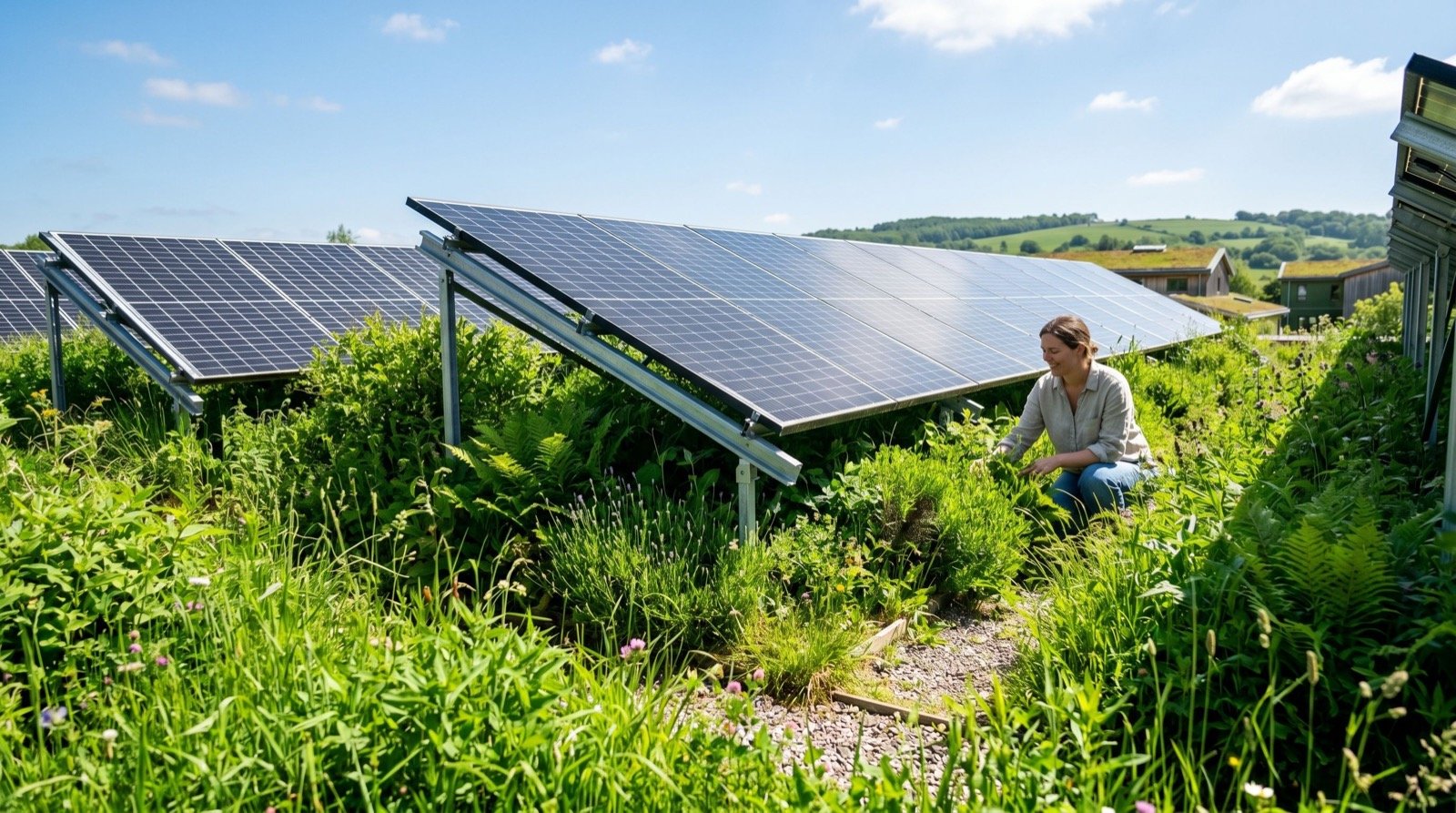
Most listings now show monocrystalline N-type or PERC panels between 550 W and 700 W. Higher wattage means fewer panels on the roof, fewer mounting points and less wiring. Check the tolerance (positive tolerance is better) and the degradation guarantee, usually 80 percent output after 25 to 30 years.
Inverters
The inverter is the brain. Hybrid inverters manage panels, battery and grid together. Match the inverter size to your real peak load, not to the biggest number in the brochure. An 8 kW unit on a home that never exceeds 3 kW wastes money.
Batteries and mounting
Lithium iron phosphate (LiFePO4) has largely replaced lead-acid for new systems because it lasts longer and allows deeper discharge. Do not forget galvanised or aluminium structures, DC cables, breakers and surge protection. These small items decide whether the system survives a Punjab summer storm.
Quick Comparison: What to Check on Each Product Page
| Product | Key spec to verify | Red flag |
|---|---|---|
| Solar panel | Wattage, efficiency, 25-year output warranty | No datasheet or vague brand name |
| Hybrid inverter | Continuous kW rating, MPPT range, surge capacity | Peak rating shown as if continuous |
| Lithium battery | Usable kWh, cycle life, BMS protection | Capacity quoted in Ah only, no voltage |
| Mounting structure | Material, wind-load rating, hot-dip coating | Thin painted steel with no coating info |
| Cables and breakers | DC rating, UV resistance, certification | Unbranded cable sold by the metre with no spec |
How Much Should You Budget in 2026?
Prices move with the dollar rate and import duties, so treat any figure as a range and ask for a fresh quote. As a rough guide, a 5 kW hybrid home system with batteries costs far more than a grid-tied system without storage. The difference is almost entirely the battery.
Here is a practical tip we give every first-time buyer: list your appliances and note which ones run during the day. If most of your load is daytime air conditioning and pumps, a grid-tied or lightly-battered system can pay back much faster than a large battery bank.
- Read the last twelve electricity bills and find your average monthly units.
- Note your peak load by adding the wattage of everything that can run at once.
- Decide how many hours of backup you really need during an outage.
- Request quotes for two or three system sizes and compare cost per kW.
How Do You Spot a Genuine Seller When You Buy Solar Online?
Trust is the whole game online. Start with the basics: a real business address, a working phone number, written invoices and clear warranty terms. Ask whether the seller deals with authorised distributors, and request serial numbers before dispatch.
Look for sellers who also offer technical support after the sale. A shop that only ships boxes cannot help when the inverter shows an error code at 11 pm. Customers also gain confidence when a supplier is willing to explain what its after-sales support covers, much like the quality service providers discussed on this site that treat support as part of the product.
Questions to ask before you pay
- Is the product brand-new, with sealed packaging and serial numbers?
- Who handles warranty claims, the seller or the manufacturer?
- What is the return window for damaged or wrong items?
- Can the seller recommend an installer if you do not have one?
Installation: Do Not Skip This Step
Even a perfect component list performs badly if installed poorly. Panel tilt, shading, cable sizing and earthing all affect output and safety. For most homes, hiring a qualified team for solar panel installation Pakistan households can trust is safer than a do-it-yourself weekend.
A good installer will survey your roof, check shadows at different hours and design string layouts that match the inverter’s voltage window. They also handle the net-metering paperwork with your distribution company. If you buy components separately, confirm that the installer will accept customer-supplied equipment and still honour workmanship warranty.
For policy and technical background, the National Electric Power Regulatory Authority publishes net-metering rules and updates at NEPRA. Read the current version before you size an export system, because tariff and buyback terms have changed more than once.
Common Mistakes to Avoid
- Buying on price alone. A very cheap inverter may lack surge protection and fail in the first season.
- Mismatched voltage. A 48 V battery does not fit a 24 V inverter. Check compatibility twice.
- Ignoring dust. Panels in dusty areas lose output fast. Plan for cleaning access.
- No surge or lightning protection. Monsoon storms damage unprotected DC circuits.
- Keeping no paperwork. Without invoices and serial numbers, warranty claims stall.
Frequently Asked Questions
Is it safe to buy solar products online in Pakistan?
Yes, if you buy from a seller with a verifiable business, written invoices, serial numbers and clear warranty terms. Avoid unknown social-media listings that refuse to share datasheets.
Do online solar panels come with a warranty?
Genuine panels carry a product warranty, often 10 to 12 years, and a performance warranty of 25 to 30 years. Always ask who processes the claim and keep your invoice safe.
Can I install the equipment myself after it arrives?
Small off-grid kits are possible for confident DIY users, but roof-mounted grid or hybrid systems involve high-voltage DC and should be installed by trained technicians for safety and warranty reasons.
How long does delivery usually take?
Stocked items typically reach major cities within a few working days. Heavy items such as battery banks and large panel orders may take longer, so ask for a dispatch date in writing.
Final Thoughts
Shopping for solar online works well when you know your load, compare specifications instead of slogans and choose a seller that stands behind the sale. Match your components, plan professional installation and keep every document. Done right, 2026 can be the year your electricity bill finally stops controlling your budget.